What Is The Best Retaining Wall for Minnesota Weather?
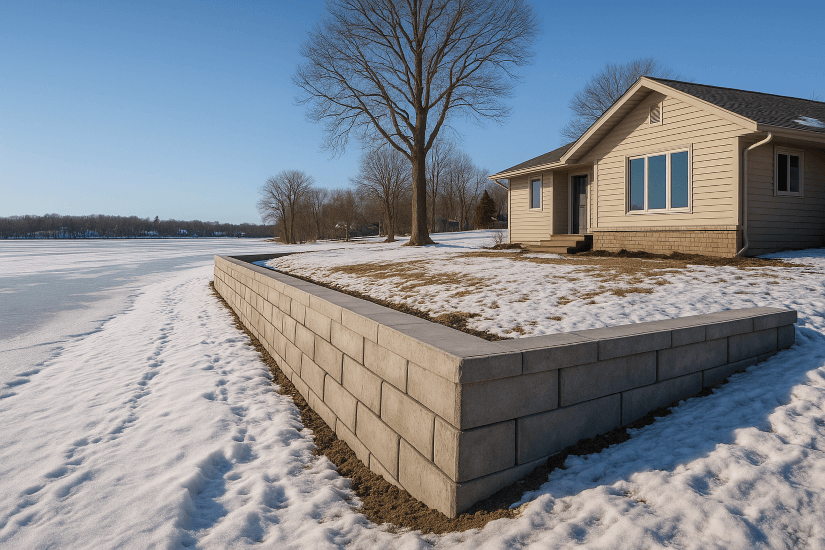
The Best retaining wall for Minnesota weather must withstand freeze-thaw cycles, shifting soil, heavy moisture, and long winters without failing. Homeowners need retaining wall systems that combine proper drainage, durable materials, and expert installation. Choosing the right retaining wall design protects your property while improving both functionality and curb appeal.
Finding the Best retaining wall for Minnesota weather involves more than selecting attractive block or stone. Minnesota’s climate creates unique challenges for outdoor structures. Freeze-thaw cycles expand and contract soil repeatedly. Heavy spring rains increase water pressure behind walls. Improperly installed retaining walls often crack, lean, or fail within just a few years.
At H&H Contractors USA, we design retaining wall systems built specifically for Minnesota conditions. Our focus is long-term structural performance, drainage control, and outdoor designs that match your property and lifestyle.
Why Minnesota Weather Is Hard on Retaining Walls
Minnesota experiences extreme seasonal changes. Winter frost penetrates deep into the ground, while spring snowmelt saturates soil quickly.
These conditions create:
- Soil expansion and contraction
- Hydrostatic water pressure behind walls
- Erosion and slope instability
- Drainage complications
- Ground shifting over time
According to the USDA Natural Resources Conservation Service, poor water management and erosion significantly impact long-term land stability.
This is why retaining wall design and installation quality matter so much in Minnesota.
Best Retaining Wall for Minnesota Weather: Concrete Block Systems
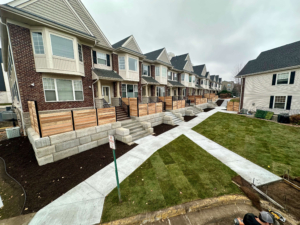
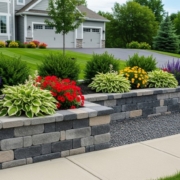
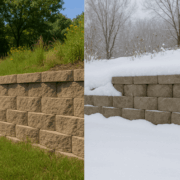
For most residential applications, engineered concrete block retaining walls perform exceptionally well in Minnesota climates.
These systems offer:
- Excellent freeze-thaw durability
- Strong structural integrity
- Built-in drainage compatibility
- Flexible design options
- Long-term low maintenance
The National Concrete Masonry Association notes that properly engineered segmental retaining walls are designed to withstand challenging soil and weather conditions.
Concrete block systems also provide versatility in style. Homeowners can choose modern, rustic, natural stone-inspired, or clean contemporary appearances.
Drainage Is Just as Important as the Wall Itself
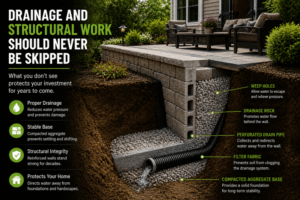
Many retaining wall failures are not caused by the wall material. They are caused by water.
Without proper drainage:
- Water pressure builds behind the wall
- Soil becomes unstable
- Walls lean or shift
- Freeze-thaw damage accelerates
Professional retaining wall systems typically include:
- Drain tile systems
- Drainage rock backfill
- Compacted aggregate bases
- Filter fabric
- Proper grading
Our Design Build Maintain page explains how integrated planning improves long-term project performance.
Retaining Wall Styles for Different Properties
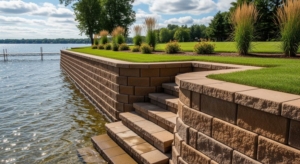
Lakeshore Retaining Walls
Lakeshore properties often require specialized erosion control and drainage solutions. These walls help stabilize shoreline slopes while protecting outdoor living areas.
Decorative Landscape Walls
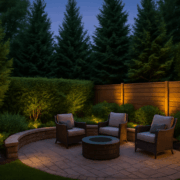
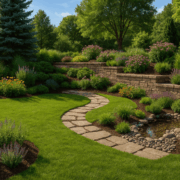
Some retaining walls are designed primarily to enhance landscaping aesthetics. These walls may frame patios, planting beds, or seating areas.
Structural Retaining Walls
Structural walls handle significant soil loads and grade changes. These projects require careful engineering and proper installation techniques.
Terraced Retaining Walls
Terraced systems create multiple usable levels on sloped properties. They help maximize outdoor functionality while improving drainage management.
Explore more outdoor improvement options on our Services page.
Why Professional Installation Matters
Even premium materials fail without proper installation.
Professional retaining wall construction includes:
- Excavation and proper footing preparation
- Soil evaluation
- Compaction testing
- Drainage system installation
- Correct wall reinforcement
The American Society of Landscape Architects emphasizes that long-term landscape durability depends heavily on proper site planning and construction methods.
Shortcuts during installation almost always create larger repair costs later.
5-Star Google Review from Ted
“This was a comprehensive project including removing an old limestone wall and reconstructing a new concrete block wall with drainage. In addition, to help with water runoff my driveway was graded and covered with crushed granite then compressed.
Alek and his crew were prompt, courteous, and open to my suggestions. Excellent new equipment was used. The project was finished in four days. I couldn’t be more pleased.”
Projects like this demonstrate why drainage, grading, and structural planning must work together for long-term success.
Unique Insight: The Best Retaining Wall Balances Strength and Design
Many homeowners assume retaining walls are purely structural. In reality, they often become major visual features within the landscape.
The best retaining wall systems:
- Protect the property structurally
- Improve drainage performance
- Create usable outdoor space
- Enhance curb appeal
- Complement the home’s architectural style
Modern retaining walls can integrate stairs, seating walls, lighting, patios, and landscaping into one cohesive design. Browse additional outdoor project ideas on our Blog page.
Frequently Asked Questions About the Best Retaining Wall for Minnesota Weather

What type of retaining wall lasts longest in Minnesota?
Engineered concrete block retaining walls typically provide the best long-term durability when installed with proper drainage systems.
Why do retaining walls fail in Minnesota?
Most failures result from poor drainage, improper base preparation, or inadequate structural design for freeze-thaw conditions.
Do retaining walls need drainage systems?
Yes. Drainage systems help relieve hydrostatic pressure and prevent soil saturation behind the wall.
Can retaining walls improve property value?
Yes. Professionally designed retaining walls improve curb appeal, functionality, and long-term landscape stability.
Are retaining walls worth the investment?
For sloped properties or drainage issues, retaining walls often prevent larger property damage while improving usability.
Build a Retaining Wall Designed for Minnesota Conditions
Minnesota weather demands retaining wall systems built for durability, drainage, and long-term structural performance. Choosing the right materials and contractor makes all the difference.
If your property has slope issues, drainage concerns, or aging retaining walls, now is the time to plan smarter. Visit our Design Build Maintain page, explore more solutions on our Services page, browse additional project ideas on our Blog, or connect directly through our Contact page to get started.

Published: June 2026