What Should Minnesota Homeowners Know Before Building A Retaining Wall?
Minnesota Retaining Wall Tips can help homeowners avoid costly mistakes before starting a retaining wall project. Minnesota’s climate creates unique challenges including freeze-thaw cycles, heavy runoff, soil movement, and drainage pressure. Understanding how retaining walls function, what materials work best, and why proper drainage matters can help homeowners create safer, longer-lasting outdoor spaces.
Minnesota Retaining Wall Tips are especially important because retaining walls do far more than improve appearance. They stabilize slopes, control erosion, improve drainage, and create usable outdoor space. At H&H Contractors USA, we help homeowners plan retaining wall systems that are built specifically for Minnesota conditions and long-term durability.
Why Retaining Walls Matter in Minnesota
Minnesota weather puts significant stress on outdoor structures. Freeze-thaw cycles repeatedly expand and contract soil throughout the year.
Without proper planning, retaining walls can:
- Lean or bow outward
- Develop drainage failures
- Shift due to frost movement
- Allow erosion behind the wall
- Create unsafe slopes or walkways
According to the USDA Natural Resources Conservation Service, controlling erosion and runoff is critical for protecting long-term property stability.
This is why retaining wall installation should always start with proper planning and site evaluation.
Minnesota Retaining Wall Tips for Choosing Materials

Not every retaining wall material performs equally in Minnesota climates.
Concrete block retaining wall systems remain one of the most popular choices because they offer:
- Strong structural performance
- Freeze-thaw durability
- Flexible design options
- Long-term low maintenance
Natural stone retaining walls provide premium appearance and blend well with lakeshore or rustic properties. Timber retaining walls are still used occasionally, but many older timber walls eventually fail due to moisture exposure and age.
The National Concrete Masonry Association emphasizes the importance of engineered retaining wall systems for long-term performance.
Material selection should match both the structural demands and visual style of your property.
Drainage Is One of the Most Important Factors

Many retaining wall failures are caused by poor drainage rather than poor materials.
Water buildup behind a wall creates hydrostatic pressure. That pressure pushes outward against the wall over time.
Professional retaining wall systems typically include:
- Drain tile systems
- Compacted aggregate bases
- Drainage rock backfill
- Filter fabric
- Proper grading around the wall
The Environmental Protection Agency explains how proper runoff management protects landscapes and structures.
At H&H Contractors USA, drainage planning is integrated into every retaining wall project from the beginning.
Learn more about our planning process on our Design Build Maintain page.
Permits and Engineering Considerations
Some retaining walls require permits or engineering approval depending on height and location.
Walls supporting heavy loads or major elevation changes often require:
- Engineering calculations
- Permit applications
- Drainage analysis
- Structural reinforcement planning
Homeowners should never assume retaining walls are simple cosmetic projects. Structural walls require professional expertise.
Retaining Wall Design Can Improve Outdoor Living

Retaining walls do more than hold soil back. They can transform how a yard functions.
Retaining wall systems can create:
- Terraced outdoor living spaces
- Patio and seating areas
- Integrated stairways
- Safer pathways
- Defined landscaping zones
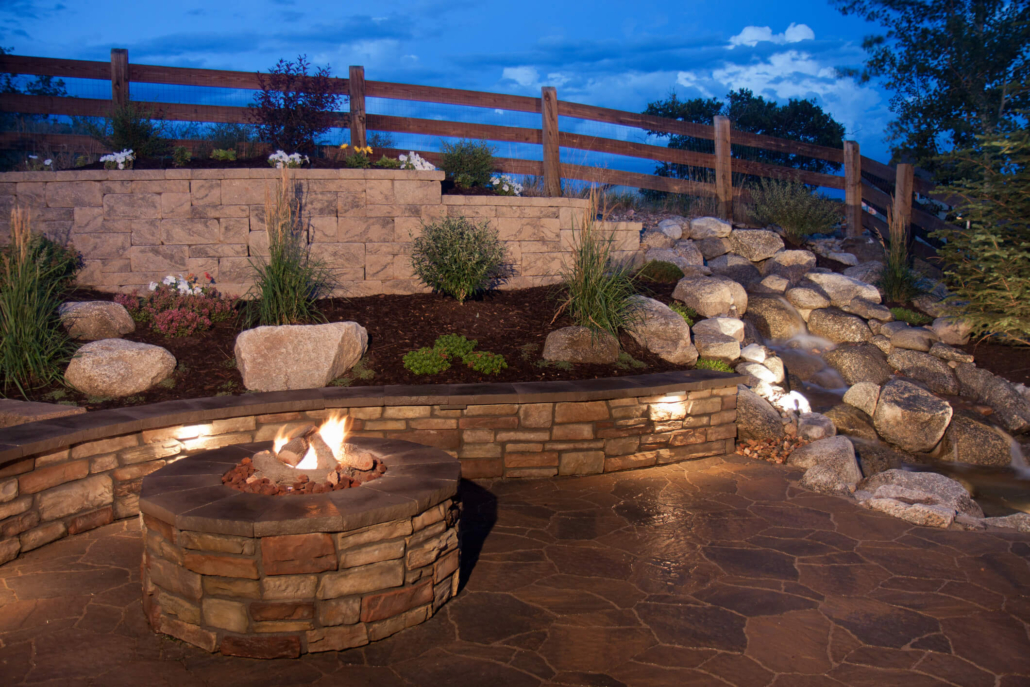
Modern retaining walls can also incorporate lighting, seating walls, and decorative features.
Explore additional outdoor improvement options on our Services page or browse project inspiration on our Blog.
5-Star Google Review from Richard
“Had a great experience working with Jim and his crew. Quotes were comparable to other companies I looked at. They built a new patio and steps for our backyard and replaced our French drains with an underground drainage solution.
Unpredictable weather caused some schedule changes but they were always very upfront and communicative and got the job done quickly and it looks great.”
Projects like this highlight how retaining walls, patios, and drainage systems often work together to create stronger outdoor spaces.
Unique Insight: The Best Retaining Wall Designs Plan for Future Use

One of the smartest things homeowners can do is think beyond the immediate retaining wall project.
A retaining wall may eventually support:
- Expanded patios
- Outdoor kitchens
- Fire features
- Additional landscaping
- Walkways or seating areas
Planning for future upgrades during the design stage helps avoid costly reconstruction later.
Good retaining wall design balances structural stability, drainage performance, and long-term outdoor functionality.
If you are planning a retaining wall project, connect with our team through our Contact page.
Frequently Asked Questions About Minnesota Retaining Wall Tips

What is the best retaining wall material for Minnesota weather?
Engineered concrete block retaining walls are one of the most durable and popular choices for Minnesota climates.
Why do retaining walls fail in Minnesota?
Poor drainage, frost movement, weak base preparation, and improper installation are the most common causes.
Do retaining walls need drainage systems?
Yes. Proper drainage prevents hydrostatic pressure and helps protect the wall from long-term damage.
Can retaining walls increase property value?
Yes. Professionally installed retaining walls improve curb appeal, usability, and structural stability.
Do retaining walls require permits?
Some do. Permit requirements depend on wall height, location, and local building regulations.
Build a Retaining Wall Designed to Last
Retaining walls are one of the most important structural features in many Minnesota landscapes. The right planning, materials, and drainage systems make a major difference in long-term performance.
If you are considering a retaining wall project, H&H Contractors USA can help you design a solution built for Minnesota conditions and your property’s unique needs.
Visit our Design Build Maintain page, explore our Services, browse more outdoor project ideas on our Blog, or contact our team directly through our Contact page to start planning today.

Published: June 2026