Why Homeowners Build Retaining Walls in Minnesota
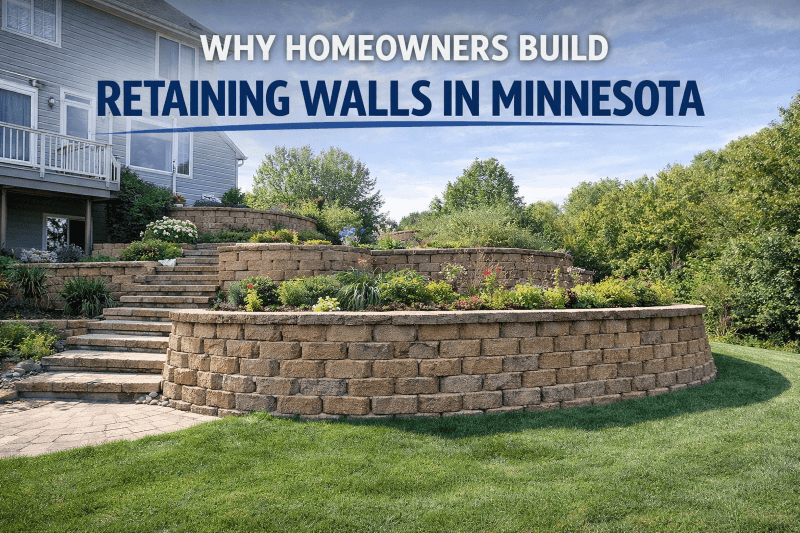
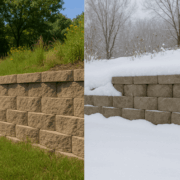
Retaining Wall Installations Minnesota homeowners invest in often serve several purposes at once. A well-built retaining wall helps manage slopes, improve drainage, prevent soil erosion, and create more usable outdoor space. In Minnesota, where freeze-thaw cycles and heavy seasonal moisture can stress landscapes, retaining walls also add long-term stability and structure that many properties truly need.
Retaining Wall Installations Minnesota property owners choose are often about more than appearance. They help solve real yard problems. Sloped lots, failing timber walls, drainage issues, and uneven walkways can all make a property harder to use and maintain. At H&H Contractors USA, we help homeowners turn those challenges into stronger, more functional outdoor spaces.
Why Retaining Walls Matter in Minnesota
Minnesota landscapes face real seasonal pressure. Snowmelt, heavy rain, saturated ground, and freeze-thaw cycles can all affect soil movement. Over time, that movement can cause slopes to shift, timber walls to fail, and drainage problems to worsen.
A retaining wall helps hold back soil and manage grade changes. It also protects nearby features such as patios, stairs, sidewalks, and driveways.
According to the USDA Natural Resources Conservation Service, erosion and unmanaged runoff can gradually damage land and surrounding structures. That is one reason retaining walls are such a smart long-term investment.
Retaining Wall Installations Minnesota Homeowners Use for Drainage Control

Drainage is one of the biggest reasons homeowners add retaining walls. Water that runs downhill too quickly can wash out soil, weaken older walls, and create muddy or unstable areas in the yard.
A properly designed retaining wall system can help by:
- Controlling runoff patterns
- Reducing soil erosion
- Supporting proper grading
- Directing water away from problem areas
- Protecting walkways and landscape features
Retaining walls should never be viewed as just stacked block. They work best when paired with proper drainage planning, base preparation, and grading. That is why professional installation matters.
If your yard has slope or runoff issues, visit our Services page to explore related solutions.
More Usable Space for Everyday Living
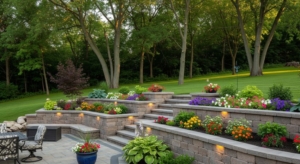
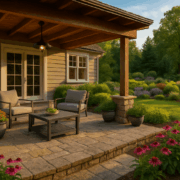
Many Minnesota yards include slopes that limit how the space can be used. A retaining wall can turn those difficult areas into functional zones.
That can create room for:
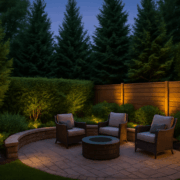
- Patios and seating areas
- Garden beds and planting zones
- Safer stairs and transitions
- Expanded play space
- Improved access around the home
This is especially valuable for homeowners who want to make the most of their property without sacrificing stability. The American Society of Landscape Architects consistently highlights outdoor improvements as one of the most valuable ways to improve function and enjoyment at home.
Replacing Failing Timber Walls
Older timber retaining walls are common across Minnesota. Many were installed years ago and are now reaching the end of their lifespan.
Homeowners often notice:
- Leaning walls
- Rotting wood
- Soil pushing outward
- Drainage issues behind the wall
- Unsafe steps or shifting walkways
Replacing a failing timber wall with a modern block retaining wall improves both durability and appearance. It also gives homeowners a chance to correct drainage and grading issues that may have existed from the start.
Strength, Structure, and Curb Appeal
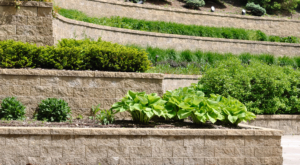
Retaining walls add visual order to a landscape. They create clean lines and stronger transitions between different elevations. That structure can make a yard look more finished and better maintained.
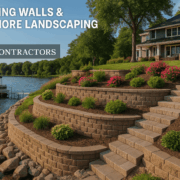
Block retaining walls can complement many home styles. They also pair well with paver walkways, steps, and planting beds. When designed well, a retaining wall becomes both a structural feature and a design asset.
For many homeowners, the benefit is twofold. The yard looks better and performs better.
5-Star Google Review from John
“Working with H&H Contractors was a wonderful experience. Nick and his crew were absolutely fantastic to work with. They were prompt and efficient. They kept us informed every day about what they were working on and asked us what our expectations were if there were any questions during the project.
This project involved pulling out a failing timber retaining wall with drainage issues and replacing it with a beautiful block wall with stairs. They also reworked the front paver sidewalk and improved the drainage issues there too.
H&H Contractors is now my go-to for any future landscaping projects.”
Projects like this show why retaining walls are often part of a larger landscape improvement plan. Fixing the wall is important, but improving the surrounding drainage, stairs, and walkways can make the entire space work better.
Unique Insight: Retaining Walls Often Solve More Than One Problem
One of the most overlooked benefits of retaining walls is how many issues they can address at the same time. Homeowners may start with one concern, such as a failing wall, but discover that the project also improves drainage, safety, access, and usable yard space.
In Minnesota, this matters even more. Soil conditions and seasonal weather can magnify small landscape problems over time. A properly planned retaining wall can stop that cycle before it leads to bigger repairs later.
It is not just about holding soil back. It is about creating a better-performing property from the ground up.
Frequently Asked Questions About Retaining Wall Installations Minnesota

Why do homeowners build retaining walls in Minnesota?
Homeowners often build retaining walls to manage slopes, control erosion, improve drainage, and create more usable outdoor space. They also help replace failing older walls.
How long do retaining walls last?
A professionally installed retaining wall can last for decades. Longevity depends on materials, drainage, soil conditions, and installation quality.
Do retaining walls help with drainage problems?
Yes, they can help when designed with proper drainage systems and grading. A retaining wall should control water, not trap it behind the wall.
Are retaining walls worth the investment?
In many cases, yes. They improve safety, stability, usability, and appearance. They can also help prevent larger property issues over time.
Can a retaining wall replace an old timber wall?
Yes. Many homeowners replace failing timber walls with modern block retaining walls for better durability, drainage performance, and visual appeal.
Do retaining walls need professional installation?
For most structural or larger walls, professional installation is strongly recommended. Proper base work, drainage, and grading are essential for long-term performance.
Build a Stronger Yard with the Right Team
If your property has slope issues, drainage concerns, or an aging wall, this may be the right time to act. A professionally built retaining wall can improve both performance and appearance for years to come.
Visit our Home page to learn more about H&H Contractors USA, explore our full range of services on the Services page, or reach out through our Contact page to start planning your project.

Published: April 2026